
Popular Varieties of Gourmet Canned Seafood
1. Artisanal Canned Tuna (Ventresca and Bonito del Norte)
When discussing premium canned seafood, artisanal tuna stands in a category of its own, particularly the prized Ventresca (belly) and Bonito del Norte (Albacore). Unlike standard supermarket varieties that can often be dry and flaky, these premium selections are hand-packed in high-quality extra virgin olive oil, which preserves the delicate texture and enhances the natural richness of the fish. The Ventresca, harvested from the underside of the tuna, is celebrated for its buttery, melt-in-your-mouth consistency and high healthy fat content. Bonito del Norte, caught individually by line in the Cantabrian Sea, offers a white, firm meat with a subtle flavor that is far superior to mass-produced alternatives.
The process of canning these specific cuts is an art form. Each fillet is carefully cleaned by hand to ensure no skin or bones remain, then poached at precise temperatures to maintain moisture. Over time, the tuna undergoes a “maturation” process inside the tin; the olive oil penetrates the fibers of the fish, resulting in a product that actually tastes better the longer it sits on your shelf. This makes it an extraordinary ingredient for a sophisticated Salade Niçoise, a rich pasta puttanesca, or simply served atop a slice of toasted sourdough with a sprinkle of sea salt and a squeeze of lemon. Nutritionally, these canned delicacies are powerhouses of Omega-3 fatty acids and high-quality protein, making them as healthy as they are delicious. For those who value sustainability, many premium brands utilize traditional “pole and line” fishing methods, ensuring that the marine ecosystem is protected while providing a superior product for your pantry.
2. Mediterranean Sardines and Anchovies
Sardines and anchovies are the backbone of the “tinned fish date night” trend, offering bold, savory profiles that define Mediterranean cuisine. Premium sardines are typically harvested during the summer months when their fat content is highest, ensuring a plump and juicy texture. They are often packed in a variety of liquids, ranging from spicy piri-piri oils and tomato sauces to simple, high-grade olive oil with lemon or pickles. The bones in canned sardines are fully edible and softened during the canning process, providing an excellent source of calcium alongside their rich supply of Vitamin D and B12. Their flavor is complex—salty, savory, and deeply satisfying—making them a perfect standalone snack or a robust addition to a charred vegetable platter.
Anchovies, on the other hand, serve as the “secret weapon” of the kitchen. While salt-cured anchovies are famous for their intense salinity and ability to dissolve into sauces, “Boquerones” (white anchovies marinated in vinegar) offer a bright, tangy contrast that is perfect for tapas. The versatility of these small fish is unmatched. A single anchovy fillet can add a deep, savory background to a Caesar dressing or a lamb roast without making the dish taste “fishy.” High-end canned sardines and anchovies are meticulously processed to remove scales and impurities, ensuring that every bite is smooth and flavorful. Choosing wild-caught, sustainably sourced options ensures that you are enjoying the purest taste of the sea while supporting responsible fishing practices that allow these vital species to thrive in their natural habitats.
3. Savory Shellfish (Mussels, Clams, and Cockles)
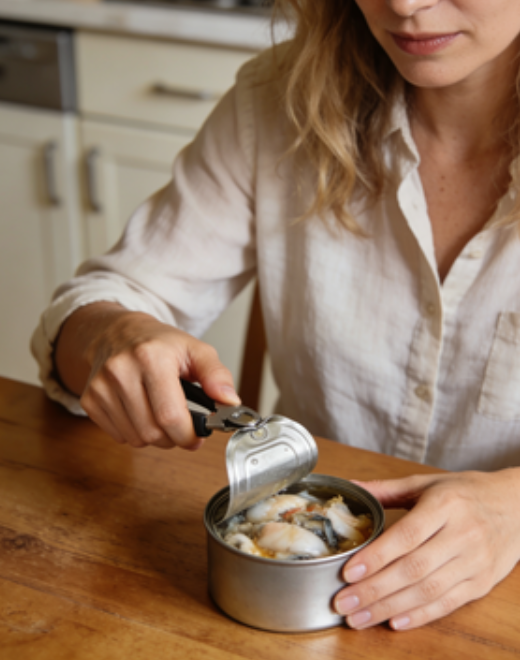
Canned shellfish, often referred to as Berberechos (cockles) or Mejillones (mussels) in the Spanish tradition, brings the luxury of a seafood bar directly to your kitchen. These mollusks are harvested at their peak and processed immediately to lock in their oceanic sweetness. Mussels in escabeche—a traditional marinade of vinegar, paprika, oil, and garlic—are a quintessential gourmet treat. The acidity of the vinegar balances the richness of the mussel, creating a snack that is vibrant and complex. These are best enjoyed straight from the tin with a side of potato chips or crusty bread to soak up the flavorful sauce.
Clams and cockles packed in natural brine offer a more delicate, clean taste that mimics the experience of eating fresh seafood by the shore. Because they are pre-cooked and cleaned, they eliminate the labor-intensive prep work usually associated with shellfish. You can toss a tin of baby clams directly into a pan with garlic, white wine, and linguine for a restaurant-quality meal in under ten minutes. The canning process preserves the tender texture of the meat, preventing it from becoming rubbery. Beyond their culinary appeal, canned shellfish are incredibly nutrient-dense, boasting high levels of iron, magnesium, and zinc. They represent a sustainable choice as well, as bivalves are often farmed or harvested in ways that have a very low environmental impact. Keeping a few tins of premium shellfish in your cupboard ensures you are always prepared to host a sophisticated gathering or whip up a high-protein, flavorful meal.
4. Exotic Cephalopods (Octopus and Squid)
For those looking to explore more adventurous textures, canned octopus and squid offer a culinary journey through the coastal regions of Atlantic Europe. Canned octopus is typically prepared in olive oil or “Galician style” with paprika and sea salt. The canning process actually benefits octopus; the high-pressure cooking inside the tin tenderizes the meat perfectly, overcoming the common challenge of octopus becoming tough when cooked at home. The result is a tender, succulent delicacy that pairs beautifully with boiled potatoes or a light citrus salad. Each piece is hand-cut and packed to ensure the structural integrity of the tentacles, providing a visually stunning presentation on any appetizer plate.
Squid (or Calamari) in its own ink is another gourmet staple that provides a striking aesthetic and a deep, earthy flavor profile. The ink acts as a natural sauce, rich in minerals and deep “oceanic” notes that are impossible to replicate with other ingredients. Other varieties include squid stuffed with their own tentacles in a spiced tomato sauce or preserved in garlic-infused oil. These products are favored by chefs for their ability to add complexity to risottos and paellas without the mess of cleaning fresh cephalopods. Rich in protein and low in saturated fats, these canned options provide a gourmet experience that is both healthy and convenient. They represent the pinnacle of “tinned luxury,” turning a simple pantry staple into a conversation piece for any dinner party.
5. Smoked Specialities (Salmon, Trout, and Mackerel)
Smoked canned seafood brings a rustic, campfire-inspired dimension to the pantry. Unlike the delicate flavors of brine-packed fish, smoked varieties like Alaskan Sockeye Salmon or Rainbow Trout are treated with natural hardwood smoke (such as alder or hickory) before being sealed in the tin. This process imparts a deep, aromatic smokiness that permeates the oils and the meat, creating a product that is incredibly hearty and flavorful. Canned smoked salmon is a fantastic way to enjoy the benefits of wild-caught fish year-round, offering a firm texture that holds up well in cream-based pasta sauces, chowders, or spread onto crackers with cream cheese and capers.
Mackerel, often overlooked, is a star in the world of smoked canned fish. Its naturally oily flesh absorbs smoke beautifully, resulting in a rich, savory profile that is less “fishy” and more “meaty” than other species. High-quality canned mackerel is often available in large, skinless and boneless fillets, making it easy to flake into salads or grain bowls. These smoked options are particularly popular for their high vitamin D content and cardiovascular benefits. The canning process ensures that the smoke flavor remains vibrant and does not fade over time. By choosing brands that use natural smoking methods rather than artificial liquid smoke, you ensure a clean, authentic taste that celebrates the traditional methods of seafood preservation.